Technology and War: How Code, AI, and Data Are Shaping Modern Conflict
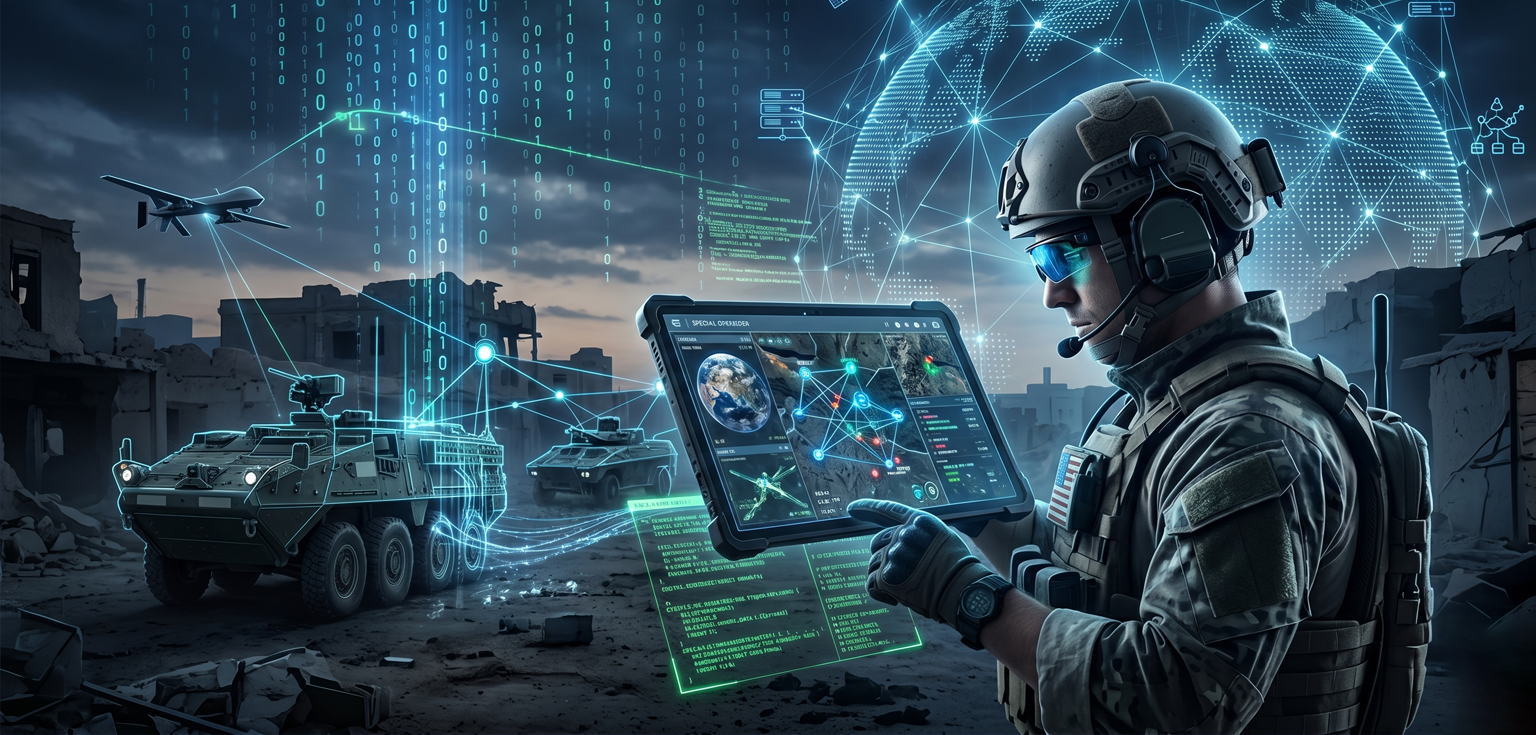
War today is no longer just about weapons. It is about code, data, systems, and intelligence. The battlefield has expanded from land, sea, and air into networks, servers, satellites, and algorithms 🌐. Technology is not just supporting war anymore. It is becoming the primary layer where wars are planned, executed, and sometimes even won.
Software is the New Weapon 🧠💣
Modern warfare runs on software. Every advanced military system, from missile guidance to communication networks, depends on code. A single vulnerability in software can compromise an entire defense system.
Cyber attacks have proven this repeatedly. Instead of bombing infrastructure, attackers can now:
- Shut down power grids ⚡
- Disrupt banking systems 💳
- Manipulate data 📊
- Interfere with communication networks 📡
This makes cybersecurity one of the most critical aspects of national defense. Firewalls, encryption, and intrusion detection systems are now as important as tanks and fighter jets.
Artificial Intelligence in Decision Making 🤖
Artificial intelligence is transforming how military decisions are made. AI systems can process massive amounts of data in real time, something no human team can match.
They are used for:
- Predicting enemy movement 📍
- Identifying threats from satellite imagery 🛰️
- Automating surveillance 👁️
- Optimizing logistics and supply chains 📦
However, this raises an important concern. When decisions become data-driven, the role of human judgment reduces. The risk is not just technical failure, but also biased or incorrect data leading to critical mistakes.
Drones, Robotics, and Remote Warfare 🚁
Unmanned systems have changed combat significantly. Drones and robotic systems allow operations without putting soldiers directly at risk.
These technologies enable:
- Precision strikes with minimal human exposure 🎯
- Real-time surveillance in hostile environments 📷
- Long-duration missions without fatigue ⏳
But there is a trade-off. Warfare becomes more detached. Operators may be thousands of kilometers away from the battlefield, making war feel more like a simulation than reality.
Data is the Real Battlefield 📡📊
In modern conflict, data is power. The ability to collect, analyze, and act on data faster than your opponent creates a significant advantage.
Military systems rely heavily on:
- Real-time data streams from sensors and satellites 🛰️
- Big data analytics for pattern recognition 📈
- Secure data pipelines for communication 🔐
A breach in data integrity can be more dangerous than physical damage. If data is manipulated, decisions based on it become unreliable.
Space and Network Dominance 🌌
Satellites play a critical role in navigation, communication, and intelligence. Without them, modern military operations would struggle to function.
Control over space-based infrastructure means control over:
- GPS and navigation systems 🧭
- Secure communication channels 📡
- Surveillance and reconnaissance 👁️
Similarly, network dominance ensures uninterrupted command and control. Disrupting networks can isolate forces and break coordination instantly.
The Ethics of Tech-Driven Warfare ⚖️
As technology becomes more autonomous, ethical questions become more complex. Autonomous systems can act faster than humans, but they lack human understanding.
Key concerns include:
- Accountability in automated decisions ❓
- Risk of unintended escalation ⚠️
- Loss of human control in critical situations 🧠
Balancing innovation with responsibility is one of the biggest challenges in modern warfare.
The Developer’s Perspective 👨💻
For developers and engineers, this evolution is important to understand. Many of the technologies used in warfare are the same ones used in civilian applications:
- AI and machine learning 🤖
- Cloud computing ☁️
- Cybersecurity frameworks 🔐
- Distributed systems 🌐
The difference lies in how they are applied. This highlights the responsibility that comes with building technology. Code is not neutral. Its impact depends on how it is used.
The Future: Invisible Wars 🕶️
For developers and engineers, this evolution is important to understand. Many of the technologies used in warfare are the same ones used in civilian applications:
The next generation of conflicts may not look like wars at all. They may happen silently through:
- Cyber infiltration 🧬
- Information manipulation 📰
- AI-driven attacks 🤖
- Infrastructure disruption ⚡
These wars may not have clear start or end points. They may run continuously in the background, shaping global power without visible conflict.
Conclusion 🚀
Technology has changed the nature of war at its core. It has shifted the focus from physical strength to digital capability. Nations that lead in technology lead in power.
But with this power comes responsibility. As technology continues to evolve, the real challenge is not just innovation, but ensuring that it is used in a way that protects humanity rather than threatens it.